Aircraft carrier John F. Kennedy sold for a penny to be scrapped after no one wanted to preserve it
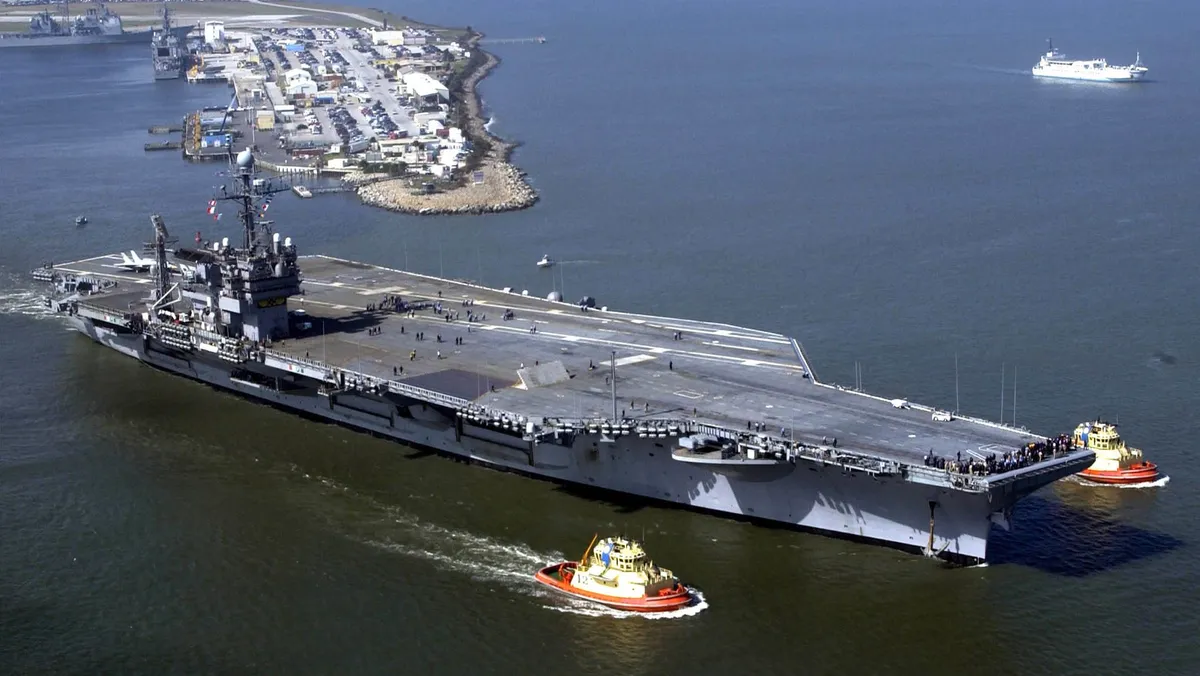
The USS John F. Kennedy, better known as “Big John”, is now halfway through being dismantled in Brownsville, Texas. Commissioned on 7 September 1968 and designated CV-67, this once-formidable aircraft carrier had a long, eventful life across many military operations. Its break-up marks a sombre moment for those who remember its presence and grandeur.
A seafaring legacy
Across nearly four decades of service, the USS John F. Kennedy sailed in many of the world’s hotspots, building a reputation as a symbol of American naval power. It operated across all major oceans during the Cold War and took part in notable actions such as the Libyan crisis of the 1980s, Operation Desert Storm in 1991, and missions after 9/11. The ship could carry up to 90 aircraft and helicopters, including models like the F-4 Phantom II and F-14 Tomcat.
At its height the carrier hosted a crew of up to 5,000 personnel, functioning almost like a floating city and showing off technological and military might. Still, even the most celebrated vessels eventually finish their service: the John F. Kennedy was officially decommissioned on 1 August 2007 and stayed in reserve for years before plans for scrapping were set in motion.
From reserve to the breakers
After decommissioning, there were efforts to keep Big John as a museum ship. Those plans, however, ran into huge financial hurdles. Funding to convert such a large vessel “never materialised”, and the cost of safely removing hazardous materials such as asbestos and lead paint proved extremely high. Other practical problems — finding a suitable mooring location and covering ongoing maintenance costs — also sank the project.
Once museum plans collapsed, the John F. Kennedy was towed from the US Navy maintenance facility in Philadelphia on 16 January 2025 to a shipbreaking yard in Brownsville, Texas, run by International Shipbreaking. The scrapping is reported to be “halfway” complete at that site.
What comes next: the new USS John F. Kennedy
While the original carrier nears the end of its life, its successor, the USS John F. Kennedy (CVN-79), is being readied for service. This nuclear-powered carrier, christened in 2019, represents a big step forward in capability. It is designed to operate a mix of aircraft, drones and helicopters, including next-generation types like the F-35C stealth aircraft and the MQ-25 tanker drone. Powered by two A1B nuclear reactors, the new JFK offers greater energy capacity than earlier ships, though its commissioning has been delayed by paperwork and the integration of new systems.
Its first commissioning had been expected “last year”, and the new target is now March 2027. These delays underline the complications involved in bringing cutting-edge technology into a working carrier. As it prepares to enter service, the new ship will carry forward the role played by its predecessor on the world stage.
Wrapping up
The dismantling of the USS John F. Kennedy is a reminder of the passage of time and the end of a chapter in naval history. Looking back on its long service — marked by major military engagements and shifts in technology — encourages reflection on how fleets evolve. While Big John is being taken apart, its successor stands ready to take up the mantle and steer the next phase of American naval capability.