Ditch Toilet Paper for Good: A New Eco-Smart, Hygienic Alternative Is Here
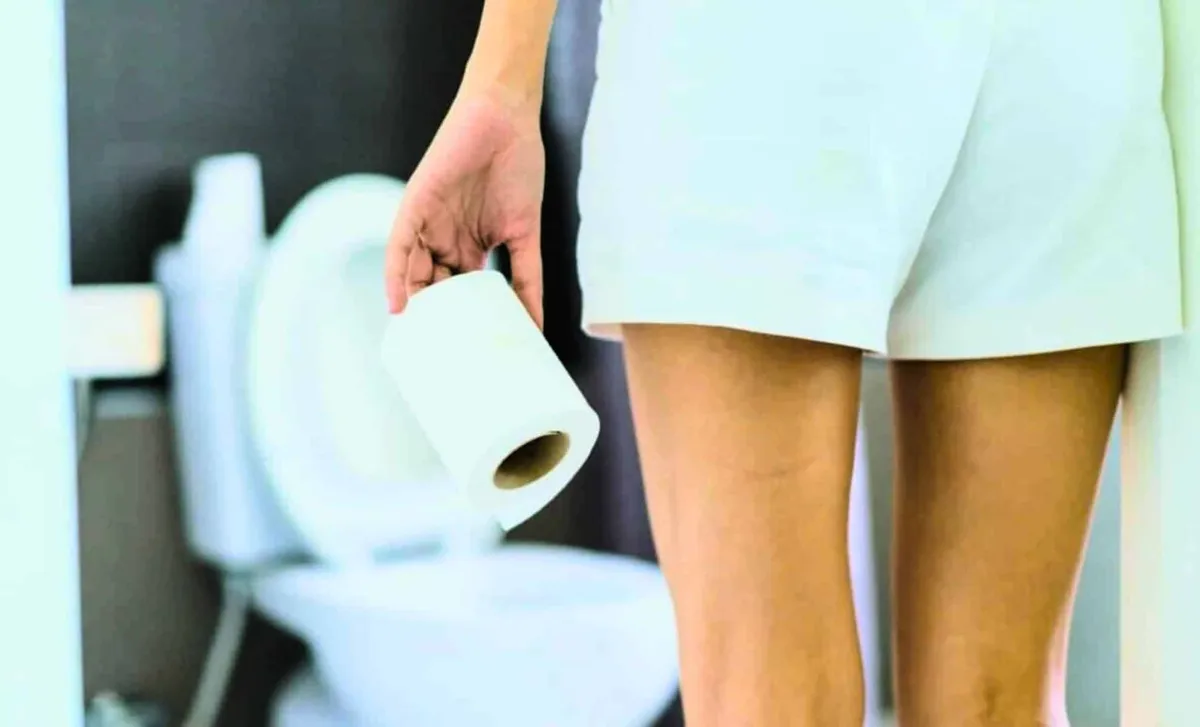
For more than a century, toilet paper has been the go-to option for bathroom hygiene. Lately, though, that dominance is being questioned by new approaches — led by the Japanese Washlet, a high-tech device hailed as the next standard for personal cleanliness. Japan quietly began this shift decades ago, treating the Washlet not just as an alternative to toilet paper but as a rethink of how we clean ourselves. That idea is now starting to catch on in Western markets and changing how people think about their bathroom routines.
How the Washlet took off
The Washlet, made by the Japanese plumbing company TOTO, marked a big step towards modern hygiene. Launched in 1980 with the Washlet G model, it brought together features like precise cleansing, heated seats and hands-free drying. Its early development took place in hospitals and elder care facilities (nursing homes), which helped prove its safety and usefulness while ironing out technical teething problems — for example, the inconsistent water heating seen in imported models during the 1960s.
Today the Washlet is in more than 80% of Japanese homes, about as common as a microwave in Tokyo. By 2022, over 60 million units had been sold worldwide. The Washlet’s influence was officially recognised in 2012 when it became a Mechanical Engineering Heritage item.
Features and the environmental trade-offs
Washlets come with adjustable water sprays, pressure and temperature controls, heated seats, deodorising systems, built-in air dryers, self-cleaning nozzles for both genital and anal cleansing, motion sensors and remote controls. Some even have audio options. Many models are designed to be energy-efficient (for instance, instant water heating and lower standby power), which helps balance water and electricity use.
The environmental case for water-based cleaning is getting harder to ignore. The Natural Resources Defense Council (NRDC) points out that the average American uses over 140 rolls of toilet paper a year, which requires 15 million trees and nearly 1,791 billion litres of water. By comparison, a Washlet uses about 500 ml of water per cleansing session. A study in the Journal of Cleaner Production found that switching to a bidet can reduce the carbon footprint of personal hygiene by up to 75%.
How habits and markets are shifting
Worries about the climate and a push for sustainability have increased interest in water-based cleansing, especially in North America and Europe. The early months of the COVID-19 pandemic — when toilet-paper shortages were widespread — sparked a spike in online searches for bidet systems, turning a short-term curiosity into a long-term change for many people. Resistance to bidets is falling, particularly among younger, tech-savvy and eco-aware groups. Social media influencers (notably on TikTok) have helped normalise the topic, and many people find at-home installation straightforward, which lowers the barrier to trying one.
Major retailers like Home Depot and Amazon stock TOTO models, with retail prices ranging from £195–£780, making them an option for a wide range of buyers. Public venues — from German airports to hotels in Dubai — are also fitting bidet systems, pointing to higher hygiene and user comfort standards.
As countries and consumers rethink traditional habits for environmental and ethical reasons, the Washlet represents more than a new gadget: it signals a shift in global norms. Praised by its makers as “life-changing technology”, the Washlet invites people to reconsider their routines and household choices, and stands as a symbol of innovation steering everyday life towards smarter, more sustainable options.