Forget airing out rooms to fight mould – this simple method is far more effective
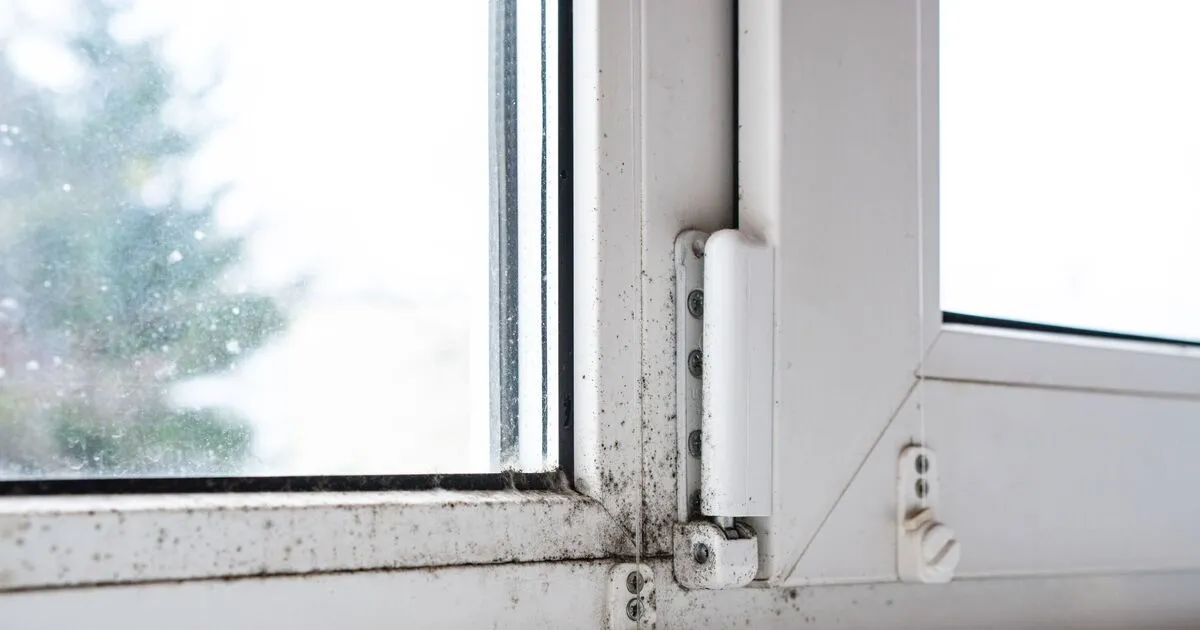
As winter sets in across the United Kingdom, bringing cold, wet and generally miserable weather, many householders start hunting for ways to deal with seasonal problems. One that crops up almost every year is condensation. Knowing why it happens and how to deal with it properly is important for anyone who wants to keep a comfortable, energy‑efficient home.
Why condensation happens
In winter, the contrast between cold air outside and warm air inside means condensation is more likely. It appears when warm, moist indoor air hits cold surfaces — windows are a common culprit — and forms a film of water droplets. If you leave that moisture to build up, it can lead to mould and mildew, sometimes called a “black scourge”, which thrives in the damp, chilly conditions of the season.
Mould isn’t just an eyesore; it can affect both property and health. Householders across the UK will be familiar with the need to find effective ways to deal with this recurring problem.
Old tricks and new tech
The traditional advice is to throw open the windows to ventilate rooms and let humid air escape. That can work, but experts warn of the downsides. Letting in cold outside air makes room temperatures less consistent and pushes up heating bills, since you then have to reheat rooms — and energy costs have soared. Opening windows can even bring in more outdoor moisture, which can make things worse rather than better.
By contrast, experts from Meaco recommend using dehumidifiers. These machines extract moisture from the air, cutting humidity and making the environment less welcoming to mould. Running a dehumidifier does involve some cost — the purchase price and ongoing electricity — but compared with the expense of repeatedly heating cold air, they can be cheaper over time.
Use both for the best results
A combined approach — brief window ventilation plus a dehumidifier — tends to work well. The advice is to open windows for a short time after moisture‑heavy activities like rain on windows, showers or cooking, to get the air moving. After that, switch on a dehumidifier to bring humidity levels down.
This way you get the benefit of fresh air without sending your heating bills through the roof. It keeps the whole home ventilated while letting the dehumidifier do the heavy lifting on moisture control — a practical compromise between comfort and cost.
Where to use a dehumidifier and why
According to Screwfix, dehumidifiers are especially useful in rooms that habitually hold a lot of moisture: kitchens, bathrooms, rooms where clothes are dried, and bedrooms where condensation builds up from the warmth generated by breathing (your body heat and moisture). Targeting those specific areas lets you optimise the dehumidifier’s effect and leads to a clear reduction in damp and condensation‑related problems.
The tips from both Meaco and Screwfix show that, with the right mix of simple measures and technology, winter condensation can be largely kept at bay. Homeowners don’t have to accept mould and mildew as inevitable visitors during the colder months.
Condensation may be a regular feature of UK winters, but using natural ventilation alongside modern dehumidification makes it possible to keep a home drier, more comfortable and more energy efficient. Over the coming months, investing in a dehumidifier is a proactive way to protect your home and improve indoor air quality, helping to create a warmer, more welcoming living space despite the chill outside.