Nobel laureate physicist agrees with Elon Musk and Bill Gates on what lies ahead: more leisure time—but fewer jobs
On a cold evening in a dimly lit open‑plan office, something quietly dramatic happened. An unnamed engineer automated an entire process. An unnamed manager posted on Slack, “Well done, you’ve just automated the entire process.” There was no applause — just silence — and the result was that the engineer’s three colleagues left the company via “rupture conventionnelle” (a French mutual termination agreement). That moment highlights the tension between technological progress and its effects on jobs — a small example of a much larger, global picture where tech and people sometimes pull in different directions.
The future of work — what the big names are saying
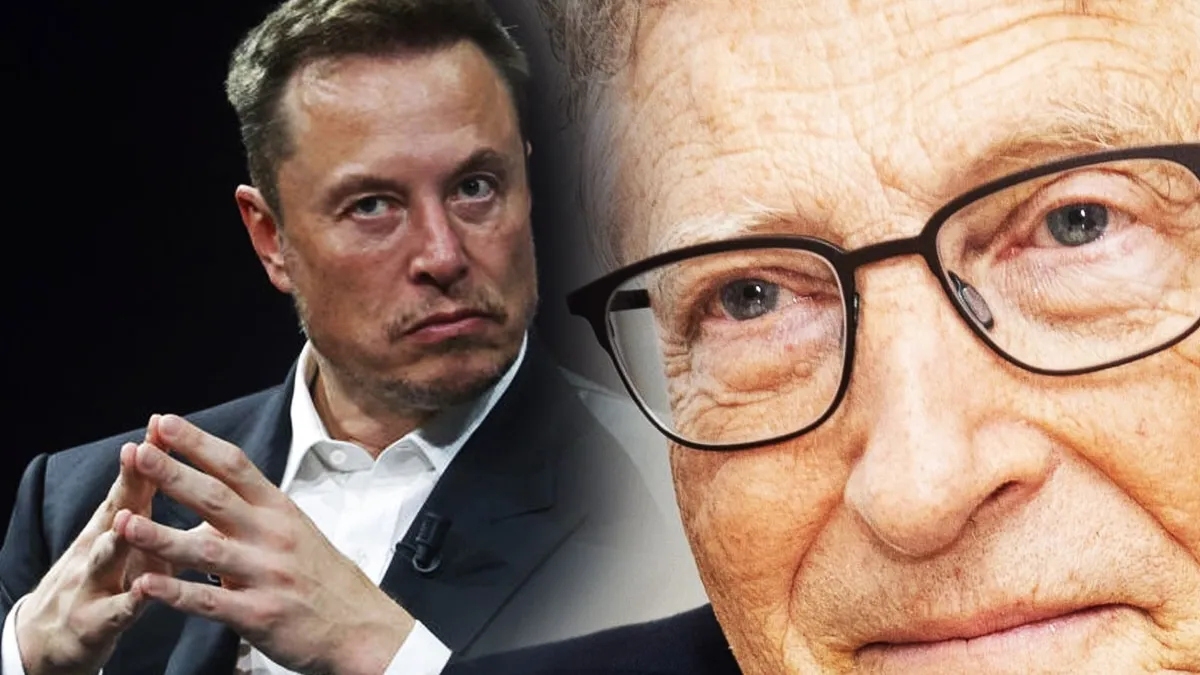
This wave of automation echoes warnings and bets from high‑profile tech figures like Bill Gates and Elon Musk. Gates has warned that robots would “take a lot of jobs”, while Musk has imagined a time when AI could make work “optional”, even suggesting a world of “universal high income”.
Those ideas are picked up by Giorgio Parisi, a Nobel Prize winner in Physics, who uses models of complex systems to suggest AI‑driven productivity gains could destabilise parts of the economy — he likens it to a “turbulent fluid”. Parisi’s work points to more leisure time for society overall, but also to the disappearance of many familiar jobs, a shift he calls both “exhilarating and brutal”. His simulations show productivity and employment lines drifting apart and settling into new states — but they leave open a big question: who will gain financially and socially from those changes?
Numbers and scenarios — what an automated workforce could look like
Think about the anecdote where one engineer effectively replaces three colleagues — it’s a tiny snapshot of how things might scale up. Picture 10% of the workforce running the essentials, while the other 90% face shrinking traditional work options. Imagine supermarkets with a single manager, hospitals where AI handles triage, and media companies kept alive by a trio of editors supported by content engines.
That could push huge pay packets to the few who run these systems, while system owners may capture most of the profits. For the majority left with “no wage, no status, and no bargaining power”, the social and psychological consequences could be severe unless measures for redistribution are introduced — a point Gates has tried to address by proposing “taxing robots”.
Getting through the transition — practical and psychological steps
As automation rearranges things, people will need to adapt in both practical and psychological ways. On the practical side, it makes sense to build skills that are hard to automate — things like group facilitation and storytelling — and to nurture social ties through clubs and communities. Taking “micro‑retirements” (short career breaks) and keeping a record of personal knowledge and skills will help make careers more resilient.
Psychologically, finding purpose when you suddenly have time but no traditional job is vital. Some pin their hopes on a basic income, which critics call a “psychological trap”; others risk drifting into numbing behaviours — endless scrolling, streaming and chasing small thrills. If society isn’t ready for life less bound to paid work, we could face a “quiet, collective hangover”.
The automation era therefore brings opportunities as well as challenges and offers the chance to separate survival from employment. As Giorgio Parisi suggests, the responsibility for using that freed time well falls to both policymakers and individuals, calling for a rethink of social norms so efficiency and well‑being can go hand in hand as technology races on.