People who never make their bed share a rare and desirable trait, psychologists reveal
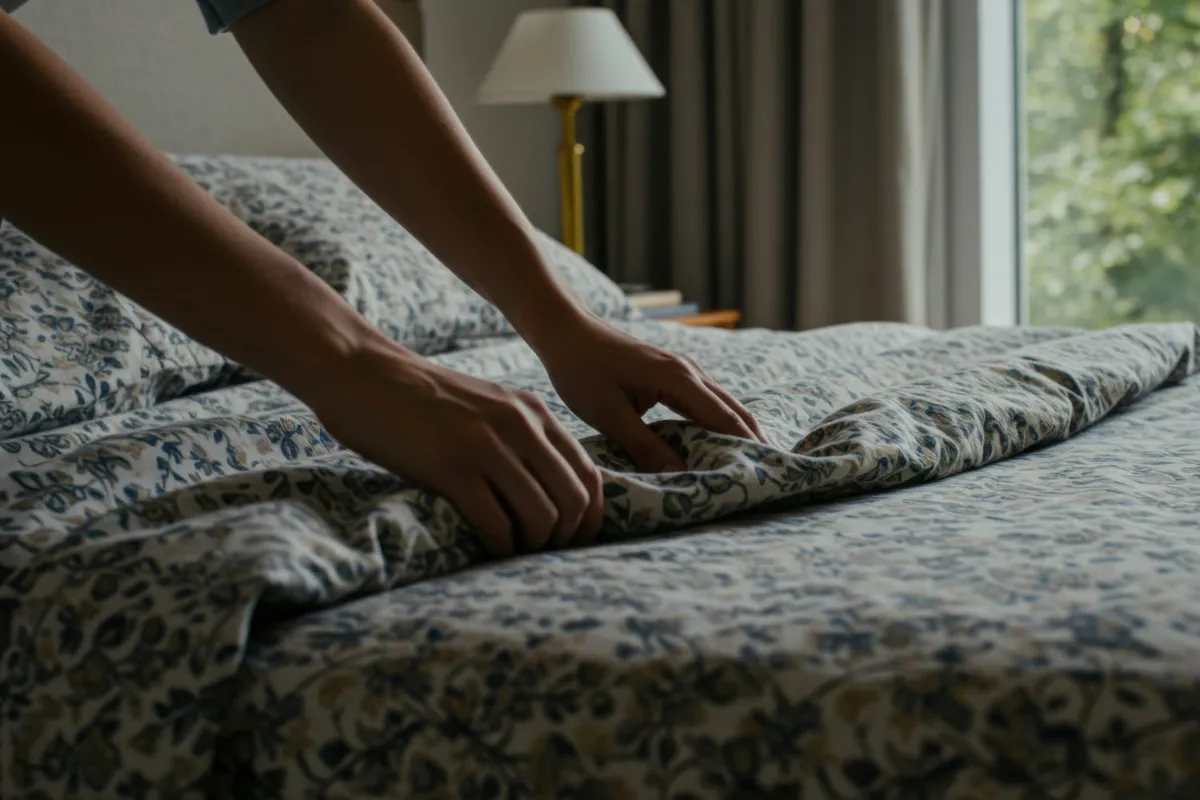
For many people, making the bed each morning is a habit learned long ago. But a growing body of research and a shift in attitudes suggest that leaving the bed unmade can bring unexpected psychological and health benefits. Looking at the history of the practice helps explain how changing this small routine might affect creativity, decision-making and even physical health.
Where the habit came from
Making the bed every morning has deep cultural and historical roots, especially in the Victorian era, a time when appearance mattered more than real hygiene. That period taught people that a neat bed signalled order and respectability, and children picked up the habit so it became automatic rather than a deliberate choice.
These days, that tradition is loosening. Modern life moves fast, and more people are prioritising their genuine well‑being over polished appearances. For many, saving time and energy for more pressing tasks feels more sensible than keeping everything perfect first thing in the morning.
Order, mess and how they shape thinking
Psychologists have looked at how a tidy or messy environment affects us. Kathleen Vohs, a researcher at the University of Minnesota, has explored the psychological differences between neat and untidy spaces. Her work, published in Psychological Science, shows a clear pattern: a tidy environment tends to encourage conventional choices and caution, while a messy one — such as an unmade bed — can spark creative thinking.
Vohs describes an unmade bed as part of what she calls “constructive chaos”. As she puts it, “Being in a messy room generated something that businesses, industries and societies need in greater quantity: creativity.” The idea is that when rigid order is relaxed, people feel freer to think differently and come up with new ideas.
How an unmade bed can be better for your health
There are health arguments too. Research from Kingston University (UK) suggests that leaving a bed unmade for several hours lets moisture from night‑time perspiration evaporate. That drying process can dehydrate dust mites (tiny creatures commonly found in bedding) and cut their numbers down from the often‑quoted 1.5 million found in made beds. Fewer dust mites and allergens can mean better health for some people.
Why people choose to make or not make their bed
This isn’t a one‑size‑fits‑all issue. People who insist on a made bed often find comfort in a visually ordered space. Those who prefer to make the bed may show traits of perfectionism, where a tidy environment calms anxiety and provides a reassuring anchor before facing the day.
On the other hand, people who leave their beds unmade can be reducing decision fatigue (the mental drain that comes from making lots of choices). By skipping that small aesthetic decision, they save mental energy for tasks they see as more important.
What this says about your routine
In the end, whether to make your bed each morning is a personal choice tied to individual needs. The psychological and health findings give a fresh way to look at daily habits: leaving the bed unmade for a while can support creativity and hygiene in different ways.
Thinking about these factors lets you tailor your routine to what works best for you — whether you thrive on order or prefer to leave things a bit untidy to encourage creativity and save energy.