Sprinkle them on your windowsill at night – by morning the panes will be completely dry and the condensation issue will be gone. The ultimate way to fight moisture on windows
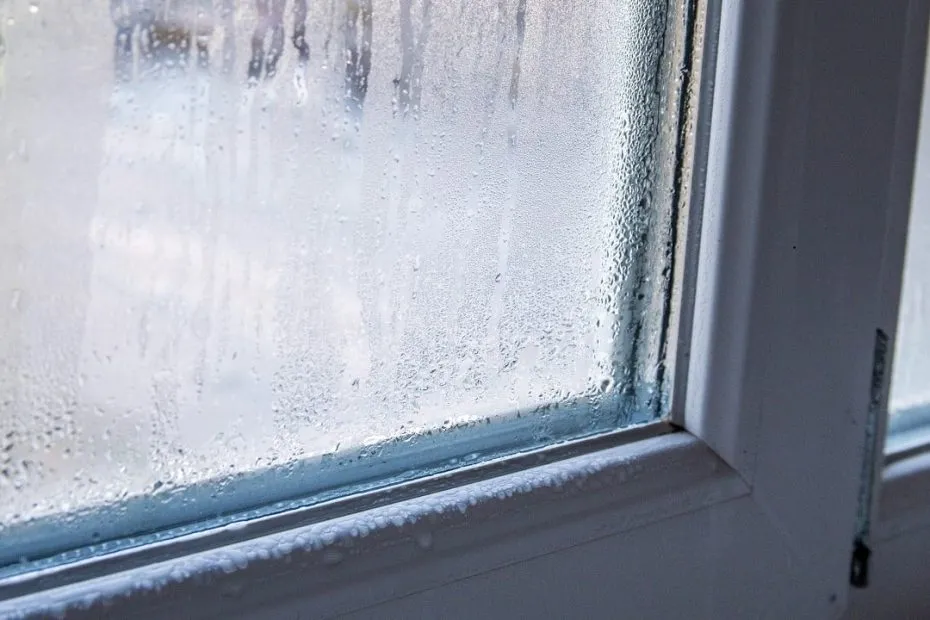
As the autumn chill sets in and winter approaches, many households face a familiar annoyance: condensation on the windows. It might look like a minor nuisance, but it can have wider consequences for both the structural integrity of homes and the health of those who live in them. Dealing with indoor humidity and stopping window fogging are important steps for keeping your home comfortable and healthy during the colder months.
Why windows fog up as it gets colder
Each autumn, as the days shorten and temperatures fall, indoor humidity often rises. That increase shows up as misted or fogged windows. Because cooler weather makes us less likely to open windows, ventilation drops and moisture builds up inside. Poor air circulation is a main cause here — when you don’t let fresh air in, humidity settles and condenses on the cold glass.
This moisture build-up can create other problems. Condensation not only clouds the view outside, it can encourage mould and fungi to grow on window seals. That growth affects how the window looks and works, and can also cause health problems for people in the home. So it’s important to tackle the issue sooner rather than later.
Simple and surprising remedies for clear windows
One home remedy that often gets recommended is cat litter. With strong moisture-absorbing properties, cat litter can be sprinkled on the windowsill before bed to soak up excess moisture. By morning, many households find their windows dry — a quick, inexpensive trick some people swear by.
Cat litter isn’t the only option. Traditional household items like rice and coarse salt work in much the same way. You can spread them directly on the parapet (the windowsill or ledge) or put them in bowls to keep things tidier. Whether you use rice grains or coarse sea salt, leaving them out overnight can stop condensation and give you clear glass by daylight.
How to use them
For best results, place these moisture-absorbing materials on the windowsill just before you go to bed. That targets the period when windows are most likely to fog up. In the morning, the lack of moisture on the glass will show whether the method has worked.
If you’d rather go green, some houseplants can help reduce humidity too. Sporofilum, sansevieria, chamedorea, and green ficus are among the suggested choices — they’ll brighten up your windowsill and absorb some moisture at the same time.
Preventing mist with better ventilation
While these fixes can help, prevention matters too. Regular ventilation is the foundation of a healthy indoor atmosphere. Instead of keeping windows tightly shut, try opening them slightly for a few minutes each day. Many modern windows have tilt functions (allowing micro‑ventilation without losing much heat) that make this easy. A short burst of fresh air can cut humidity levels significantly and stop condensation forming.
Moisture problems in the home shouldn’t be ignored. The persistent damp that shows up on windows in autumn and winter can lead to mould growth, affecting indoor air quality and health. Using a mix of the remedies above and keeping up regular ventilation will help keep your windows clear and dry through the colder months.
By taking these simple steps — whether you reach for cat litter, rice, coarse salt, or moisture‑loving plants — you’ll improve your living space and protect both your home and your health. Small actions can make a real difference to comfort and wellbeing.